 IT
IT  EN
EN 


The Marsala was the first wine recognized with a territorial specifity and a special protection, the Registered Designation of Origin – D.O.C. . Its history is obviously an important part of the entire Italian oenological and wine development, and in some periods, it’s intertwined with crucial episodes of Italy Unification and economic history.
According to the documents, in 1773, an English merchant, John Woodhouse, tasted the “perpetuum”, a high degree wine produced by Marsala farmers for their own consumption: he fell in love with it, and he guessed the opportunity to develop a new and profitable trading. It was necessary to bring it up to England avoiding to ruin it during the trip, so He added alcohol, and just like that, the “Marsala” was born.
Following to Woodhouse’s successful intuition, thanks to Inghams’ and Whitakers’ activities the Marsala winetrading knew a rapid grow up, simultaneously to the vine growing and oenological techniques evolution.
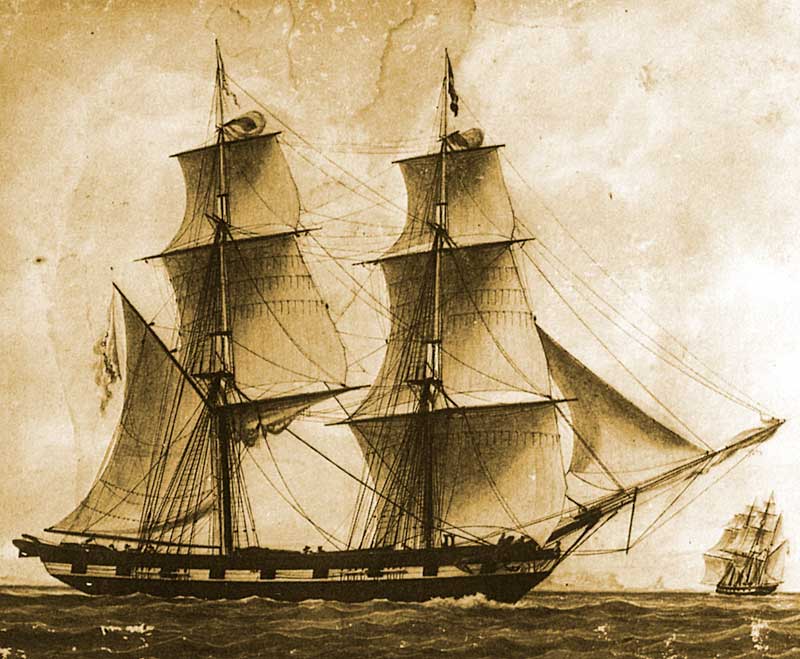
Western Sicily had starred in the 19th century Industrial Revolution, and the entrepreneurial upper-middle class let the Island glowing. Florios soon reached the British: starting with a little shipping company, they created a trading empire where Marsala wine became the main product, exported all over the world, and Its fleet, one of the biggest in the world.
Marsala, both city and wine, became inseparable parts and the urban and rural territory development functionally occurred to industries and vine growing. In 1860, Garibaldi’s landing set off the national unification and the choice to start everything from Marsala was anything but accidental: He perfectly knew that he could count on the support of the upper-middle class that could gain a lot of new business perspective with the Unification. When, in 1862, the General came back to Marsala, he had the chance to name a type of Marsala wine that even today is called “Garibaldi Dolce”.
Within a few decades, many wineries were born by local businessmen action and Marsala wine production and trading considerably developed. Some of the historic producers still do it even today; other ones no more, but they anyway gave a big contribute to that great choral novel that create the Marsala wine.
The historical happening of the 20th century, the two world wars overall and the wrong legislative choice that permitted too much freedom in production rules terms, blocked this wine evolution and affected its image.
Despite all, Marsala wine is still alive. Nowadays, alongside the ancient wineries keeping up its name, some young producer is entering the market updating the history with passion about his work and a high quality product.
